Earth, Wind & Fire
September Returns to the Hot 100—and to Its Annual Appointment
Earth, Wind & Fire’s classic reenters the singles chart for the first time since 1979, turning a familiar calendar ritual into a measurable listening event.
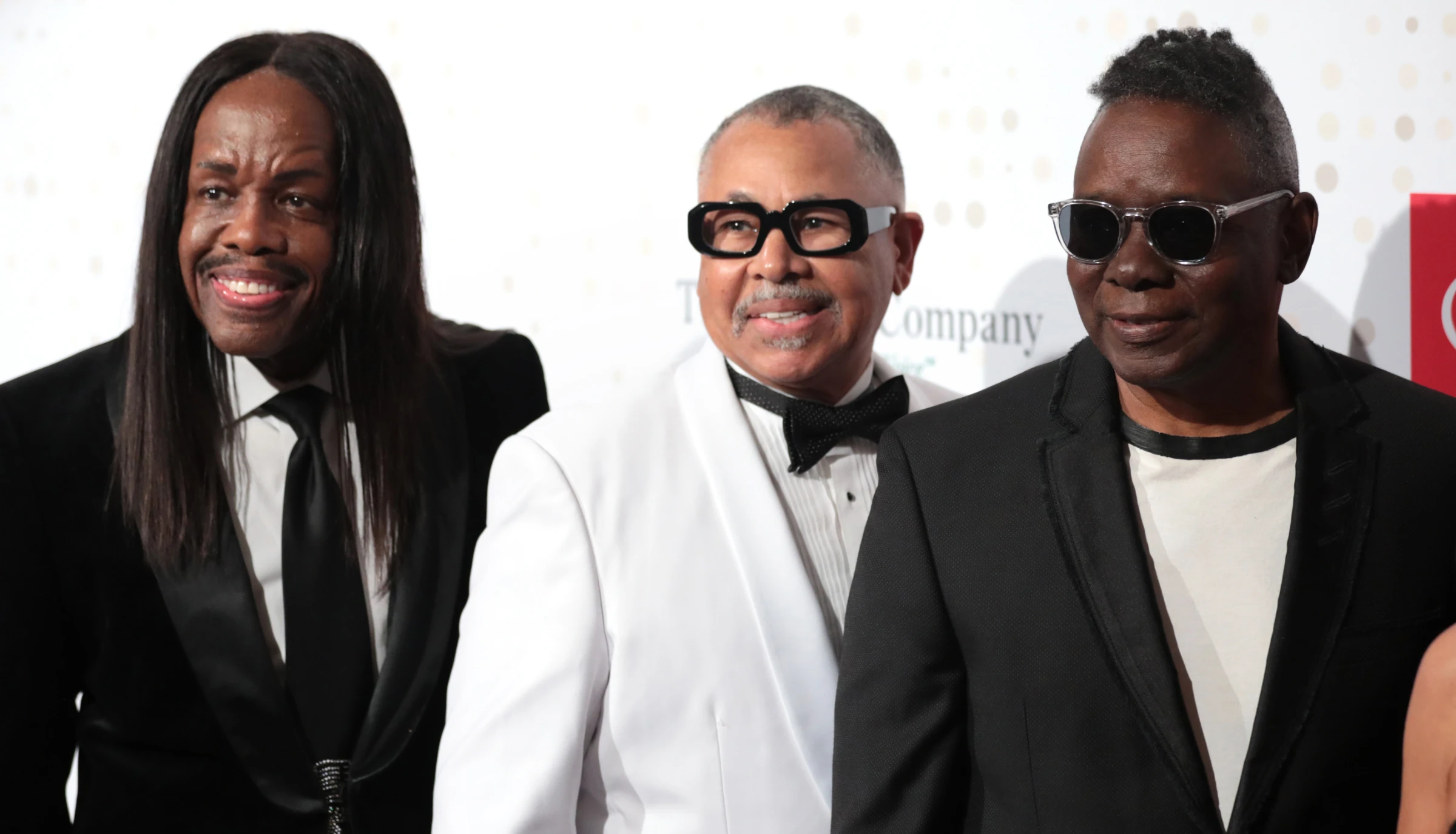
Earth, Wind & Fire’s “September” has returned to the Billboard Hot 100 for the first time since 1979. In a September 30 chart report, Rated R&B placed the song at No. 45 on the chart dated October 3—a new chart entry for a record that never really disappeared from public life.
The report, citing chart data, counted six million U.S. streams and 3.3 million in radio audience during the tracking week ending September 24. Those figures give this particular return a shape. The story is larger than people remembering a beloved song: enough listening gathered in one window to send it back onto the chart.
“September” has an advantage few records can manufacture after the fact. Its title and opening reference give listeners a date to return to. The calendar supplies a recurring prompt, while the song supplies a reason to respond. A personal favorite can briefly become a shared appointment.
That is a different kind of longevity from simply remaining available. Availability is passive; a listener still needs a reason to press play. A yearly occasion can make an old recording feel newly relevant without requiring it to pretend to be a new release. The record stays the same while the circumstances of hearing it change.
There is also a distinction between familiarity and fatigue. Some songs become so recognizable that attention slips past them. Others retain the ability to make people participate—to dance, sing, send a link or bring someone else into the moment. The chart return suggests renewed activity around “September”; it does not tell us which of those actions prompted every individual listen.
For artists and the people who market their catalogs, the temptation is to search for a formula. But a date in a lyric is not enough to create a tradition. Listeners have to decide that the record belongs to the occasion, and then keep making that decision. The repetition becomes meaningful because people participate willingly.
This year, that participation produced a new chart chapter. A song first heard decades ago found its way back into a weekly measure of the present. “September” keeps its appointment because listeners keep theirs.